
AI scams now use voice cloning, deepfakes, and chatbots to create trust fast. Victims lose cash through card payments, wires, crypto, and gift cards. The worst mistake is waiting. Many money recovery options close quickly. If you acted fast, read what to do after an AI scam for immediate triage. Recovery is possible, but only with the right order of steps.
Banks and card networks have specific dispute windows. Electronic transfers often carry a 60-day deadline from the statement date. Card chargebacks usually allow up to 120 days, but fraud claims work best in the first 48 hours. The type of payment matters more than the scam script. A wire transfer is not the same as a debit card purchase. Knowing the difference saves time and money.
Crypto and gift cards feel permanent, but they are not always gone. Blockchain records are public, which helps tracing. Retailers can freeze gift cards if you report before redemption. Still, recovery rates drop sharply after 72 hours. This guide walks through bank disputes, wire recall, crypto tracing, gift card freezes, and legal avenues. Use how to report an AI scam alongside these steps.
Some victims recover full funds in 10 days through a temporary credit. Others wait months for a court order. Your outcome depends on payment method, speed, and evidence. The Federal Trade Commission and CFPB publish complaint data that shows patterns. Always report, even if the amount is small. It helps law enforcement and your own record.
What You’ll Need
- computer or smartphone
- screenshots of all chats
- bank and card statements
- transaction hashes or wallet addresses
- police report or IC3 report number
How Do You Best AI Scam Recovery?
- Preserve every AI-generated message, account, and payment record
Stop all contact with the scammer. Do not argue, threaten, or ask for a refund directly. Scammers use those replies to manipulate you again. Your first job is evidence preservation. Screenshot every chat, email, phone log, and social media message. Save voice notes and video calls if possible. These records show the AI or impersonation content that tricked you. This evidence supports every dispute later. If you need emotional help during this, see emotional recovery after an AI scam.
Many AI scams now involve ChatGPT-style conversations or cloned voices. If the scam used a known AI tool, check its documentation for export options. OpenAI’s help center explains how to export your ChatGPT history. The free ChatGPT plan includes conversation export but not API access. API rate limits, such as 3 requests per minute for GPT-3.5 Turbo, may matter if you had a paid account used by the scammer. Save the conversation logs as PDFs with timestamps.
Common mistake: victims delete the chat or block the scammer before taking screenshots. That destroys useful metadata. Another mistake is saving only the last message. Banks and investigators need the full thread from first contact to payment. Include the payment confirmation, wallet address, wire reference, or gift card code. Keep copies in two places, like cloud storage and an external drive.
This step connects to all later recovery actions. A card dispute needs proof of fraud. A wire recall needs the exact bank details. A crypto exchange report needs the transaction hash. Without evidence, your claim becomes a he-said-she-said story. Take 20 minutes now to save everything, even if you feel embarrassed.

- File a chargeback or bank dispute within the first 48 hours
Call your card issuer or bank and say the words “fraud” and “I want to dispute this transaction.” Do not say you authorized the payment unless you truly did. For unauthorized electronic transfers, federal rules give you 60 days from the statement date to dispute under Regulation E. Card chargebacks under network rules often allow up to 120 days. The sooner you file, the better your odds. If you are unsure whether the scam qualifies, read how to get money back after an AI scam.
A chargeback is a card network process. You state the goods or services were not delivered, or the charge was fraudulent. The bank often issues a temporary credit within 10 business days while investigating. The full investigation can last 45 to 90 days. For debit card fraud, the bank may take up to 10 days for provisional credit and 45 days for resolution. Keep a written record of the date, agent name, and reference number.
The CFPB has detailed guidance on disputing unauthorized transfers. Many consumers wait because they are ashamed or think the bank will refuse. Banks actually have to investigate when you file correctly. If the bank denies your claim, ask for the denial in writing. You can appeal and file a complaint with the Consumer Financial Protection Bureau.
Common mistake: filing a “billing error” instead of “fraud” can route your case down the wrong path. Another mistake is missing the 60-day deadline for electronic fund transfers. If you miss it, you may still file a card network chargeback up to 120 days, but not always. Do not wait for the scammer to refund you. That almost never happens.
- Request a wire recall through your bank’s fraud department
If you sent money by bank wire, time is measured in hours. Wires are considered final once accepted by the beneficiary bank, but banks can send a recall request. Call your bank’s fraud department or wire transfer department, not the general customer service line. Say “I was a victim of fraud and I want to request a wire recall immediately.” Provide the wire transfer reference, date, amount, and receiving bank details. The recall goes to the receiving bank, which may freeze the funds if they are still there.
Success rates are low after the first 24 hours, but some banks recover funds if the receiving account is still open. A recall can take 2 to 4 weeks to resolve. If the receiving bank says the funds are gone, your next step is to ask for a “beneficiary claims” process. This is not the same as a recall. It notifies the receiving bank of fraud and asks them to investigate the account holder. You can also read what to do if you were scammed by AI for a full action list.
Common mistake: waiting for the bank to call you back without a written request. Always follow up with an email or secure message that restates your recall request. Include the exact SWIFT or Fedwire reference. Banks have fraud reporting obligations, and a written record speeds things up. If your bank says they cannot recall a wire, ask if they can send a “fraud notification” to the beneficiary bank.
This step works alongside the chargeback if you used a credit card to fund the wire transfer. Some card issuers may treat the wire purchase as a cash advance, which has weaker protections. Still, report it. The bank may not reverse the wire, but the fraud report can help law enforcement later. If the scam involved an investment platform, the structured recovery path in AI investment scam recovery may also apply.
- Report the scam to the FTC, IC3, and local police
File an online report at reportfraud.ftc.gov. The FTC collects consumer fraud reports and shares them with law enforcement. The FBI’s Internet Crime Complaint Center, IC3, tracks cybercrime losses. In 2023, IC3 received over 880,000 complaints with reported losses exceeding $12.5 billion. Your report may feel like a black hole, but it creates a paper trail for your bank dispute and future legal claims.
Also call your local police non-emergency line and file a report. Some departments will take a report over the phone or online. You need the police report number for identity theft affidavits and some bank appeals. If the scam used a phone call with a cloned voice, mention that in the report. The AI phone scam impersonation guide has extra steps for phone-based fraud.
Common mistake: thinking law enforcement will recover your money. They rarely do. Still, the report is necessary. Banks and exchanges often ask for a police report or IC3 confirmation. Without it, they may not move forward. The report also helps you qualify for victim support services.
For crypto-related AI scams, mention the wallet address and any exchange name in the IC3 report. This data feeds into blockchain analytics and can help link multiple victims. If the scam involved a deepfake video call, read deepfake video scam what to do for additional evidence tips. Reporting takes 30 minutes and costs nothing.
- Trace cryptocurrency transactions and notify the exchange
If you sent crypto, find the transaction hash or wallet address. Blockchains are public ledgers. You can enter the wallet address into a block explorer to see the transaction path. The key is identifying where the scammer moved the funds. Common exchanges include centralized platforms that must comply with law enforcement requests. Contact the exchange’s support or compliance team with the transaction hash, amount, and your IC3 report number. Use AI investment scam recovery for a crypto-focused checklist.
Exchanges can freeze accounts if they receive a credible fraud report. Response times vary from 1 to 4 weeks. Some exchanges will not act without a law enforcement subpoena, but many have internal fraud teams. Provide as much detail as possible. Chainalysis and other blockchain analytics firms help track stolen funds, but individual victims usually do not hire them directly. For context, Chainalysis publishes yearly reports on crypto scam volumes and recovery trends.
Common mistake: hiring a “recovery agent” who promises to reverse blockchain transactions. Blockchains do not have reverse functions. Anyone promising guaranteed crypto recovery is likely a second scam. Legitimate recovery usually happens through exchanges freezing funds before they are cashed out, or through law enforcement seizure. Do not send more crypto to “verify” a refund.
If the scammer used an AI trading bot or fake investment platform, include the platform URL and chat logs. The exchange may also ask for the originating wallet address and the destination address. Keep a running document with every address you used. This helps investigators trace the flow. If you need help with identity theft after the scam, see best identity protection after an AI scam.

- Report gift card fraud and freeze the balance fast
Gift cards are like cash, but retailers can freeze unused balances. If you bought gift cards and gave the codes to a scammer, contact the retailer immediately. Amazon, Apple, Google Play, and Walmart all have gift card fraud departments. Have the card numbers, purchase receipts, and exact time you shared the codes. If reported before the card is drained, they may freeze the remaining balance.
Call the retailer, then contact the card issuer or store where you bought the card. Some retailers will also send you a replacement card if the fraud is confirmed. Response time is usually 24 to 48 hours for a freeze. If you bought the gift card with a credit or debit card, you may also file a dispute with your bank. The chargeback reason may be “goods not received” or “fraud,” depending on what happened.
Common mistake: waiting to see if the scammer uses the card. They will use it within minutes. Another mistake is throwing away the gift card and receipt. You need those numbers to report. If the scam involved a voice-cloned phone call pressuring you to buy gift cards, read voice cloning scam recovery for specific steps.
Gift card recovery rates are not high, but freezes work when done quickly. Some retailers will not refund a drained card, but they may provide store credit for the unused portion. The key is speed. Treat gift card fraud like a clock that started when you shared the code.
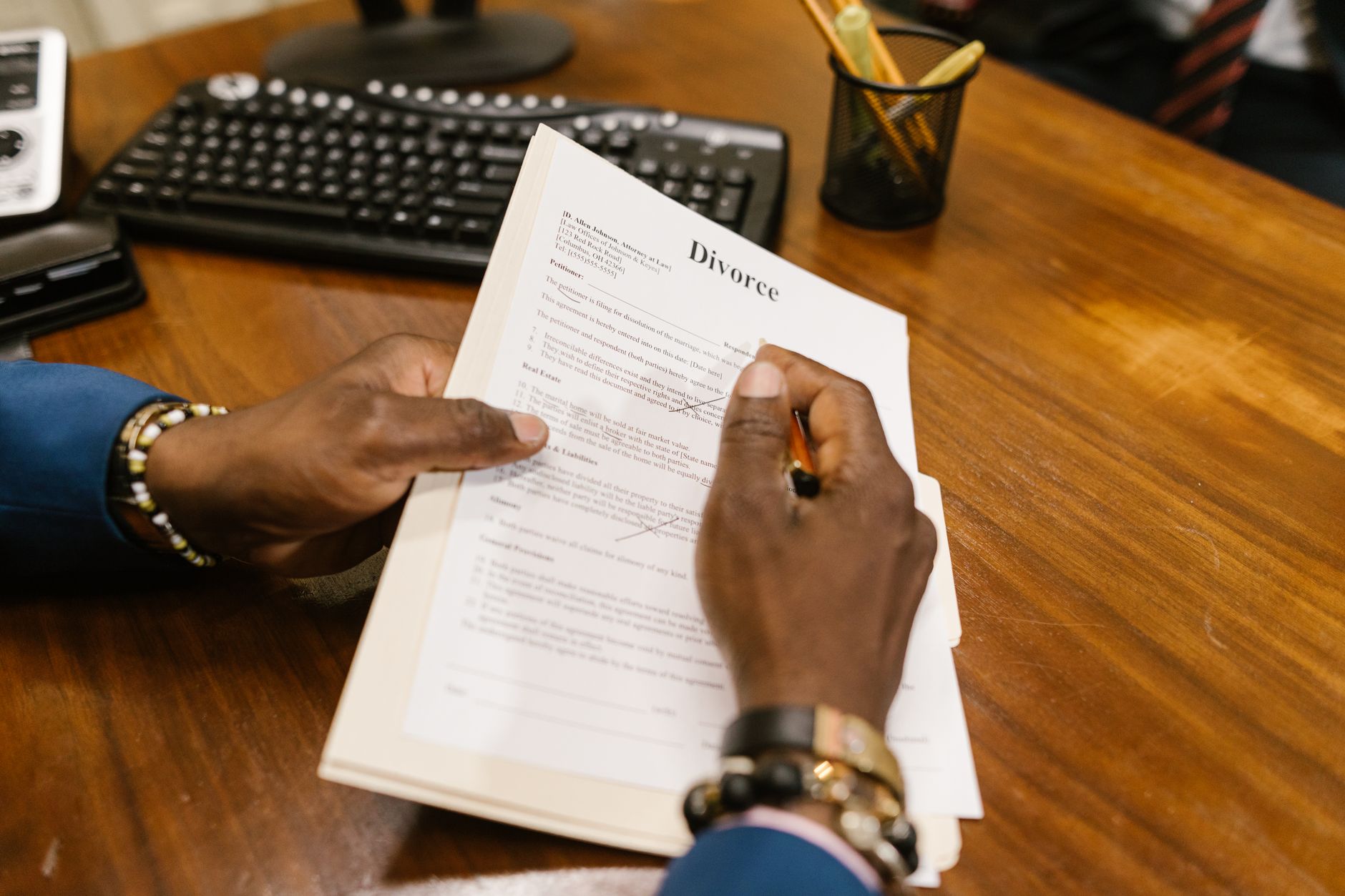
- Consider legal avenues and small claims court
If the bank and exchange deny your claim, you can still pursue a civil case. Small claims court works when you can identify the recipient or show the bank did not follow its own fraud procedures. The filing fee is usually low, often under $100. You do not need a lawyer for small claims. Gather your evidence, the police report, and the bank’s denial letters.
A demand letter to your bank or a payment platform can also force a second review. Some victims recover funds after sending a formal letter that cites Regulation E or the card network’s zero-liability policy. The Consumer Financial Protection Bureau has sample letters for bank account errors. You can file a complaint with the CFPB if the bank’s response was inadequate.
Legal timelines are slower than bank disputes. Small claims court can take 3 to 6 months for a hearing. Civil lawsuits can take 12 months or more. For stolen crypto, asset forfeiture by law enforcement is rare and often takes years. Understand that legal action is a long game, not a quick refund button.
If the scammer impersonated a romantic partner using deepfakes, the legal angle may include emotional fraud. Read AI romance scam recovery for specific recovery steps. Keep your expectations realistic. A court judgment does not always equal collected money, but it can pressure platforms and banks to act.
- Set up fraud alerts and monitor your identity
AI scammers often collect more than payment details. They may have your phone number, address, email, and account logins. Place a free fraud alert with one credit bureau. This requires lenders to verify your identity before opening new credit. You can also freeze your credit for stronger protection. A freeze is free and can be lifted when you need to apply for credit.
Check your bank and credit card statements weekly for the next 90 days. Look for small test charges. AI scammers may sell your data to other fraud rings. If you see unfamiliar transactions, dispute them immediately. Also update passwords and enable two-factor authentication on email and financial accounts. If you used a shared device, reset it to factory settings.
For ongoing monitoring, consider identity protection tools after a scam. Best identity protection after an AI scam compares options for credit monitoring and dark web alerts. The key is to act now, even if you think the scam was one-time. Scammers revisit victims.
This step connects to emotional recovery. Rebuilding trust in your finances takes time. Set small goals, like checking statements each Sunday. If anxiety spikes, lean on support groups or the guide on emotional recovery after an AI scam. Financial monitoring is part of healing.
Red Flags & Warnings
- 🚨 Never pay an upfront fee to a ‘recovery agent’ or ‘crypto tracer.’ Legitimate recovery does not require payment before results.
- 🚨 Do not delete chat logs, emails, or screenshots before filing a dispute. Evidence is your only proof.
- 🚨 Avoid anyone who guarantees a refund or says they can reverse a blockchain transaction. Crypto transfers are final.
- 🚨 Do not miss the 60-day window for electronic transfers. After that, banks can deny your dispute.
- 🚨 Never send more money to verify your identity, unlock a refund, or cover ‘processing fees.’ That is always part of the scam.
- 🚨 Be wary of fake law enforcement calls that ask for gift cards or crypto. Real police never demand payment by gift card.
Frequently Asked Questions
How long do I have to dispute an AI scam charge?
For unauthorized electronic transfers, you generally have 60 days from the statement date under Regulation E. Card network chargebacks often allow up to 120 days. File as soon as possible because banks may deny old claims.
Can I get money back if I paid with cryptocurrency?
It is hard but sometimes possible. Contact the exchange with the transaction hash and a police or IC3 report. Exchanges can freeze funds if they are still on-platform. Do not pay recovery agents who promise returns.
Will my bank refund a wire transfer after an AI scam?
Banks can request a wire recall, but success drops after the first 24 hours. The receiving bank must agree to freeze the funds. If the funds have already moved, recovery is unlikely without a court order.
What should I do if I bought gift cards for a scammer?
Call the retailer immediately with the card numbers and receipts. Retailers may freeze unused balances. If you paid with a card, file a bank dispute too. Act within hours, not days.
Do I need a police report to get my money back?
A police report is not always required, but many banks and exchanges ask for one. Filing with the FTC and IC3 also creates a paper trail. It strengthens your dispute and future legal case.
Can I sue the bank or scammer to recover AI scam losses?
You can sue the scammer in small claims court if you can identify them. You may also challenge the bank through CFPB complaints or formal demand letters. Legal action is slower, often taking months.
What Should You Remember?
- Act fast: File disputes and recalls within 24 to 48 hours for the best recovery odds.
- Know your window: Electronic transfers need a dispute within 60 days; card chargebacks up to 120 days.
- Preserve evidence: Save chats, voice notes, and payment records before blocking the scammer.
- Wire recall: Request a wire recall through the fraud department, not general customer service.
- Crypto tracing: Use the public blockchain and contact exchanges with the transaction hash.
- Gift cards: Report to the retailer and freeze the balance before the scammer drains it.
- Legal tools: Small claims court and CFPB complaints can pressure banks and platforms.
This article is for general information only and does not constitute legal, financial, or mental-health advice. Scam tactics evolve quickly. Always report fraud to official authorities such as the FTC, FBI IC3, and your bank, and consult a qualified professional for legal or recovery decisions.