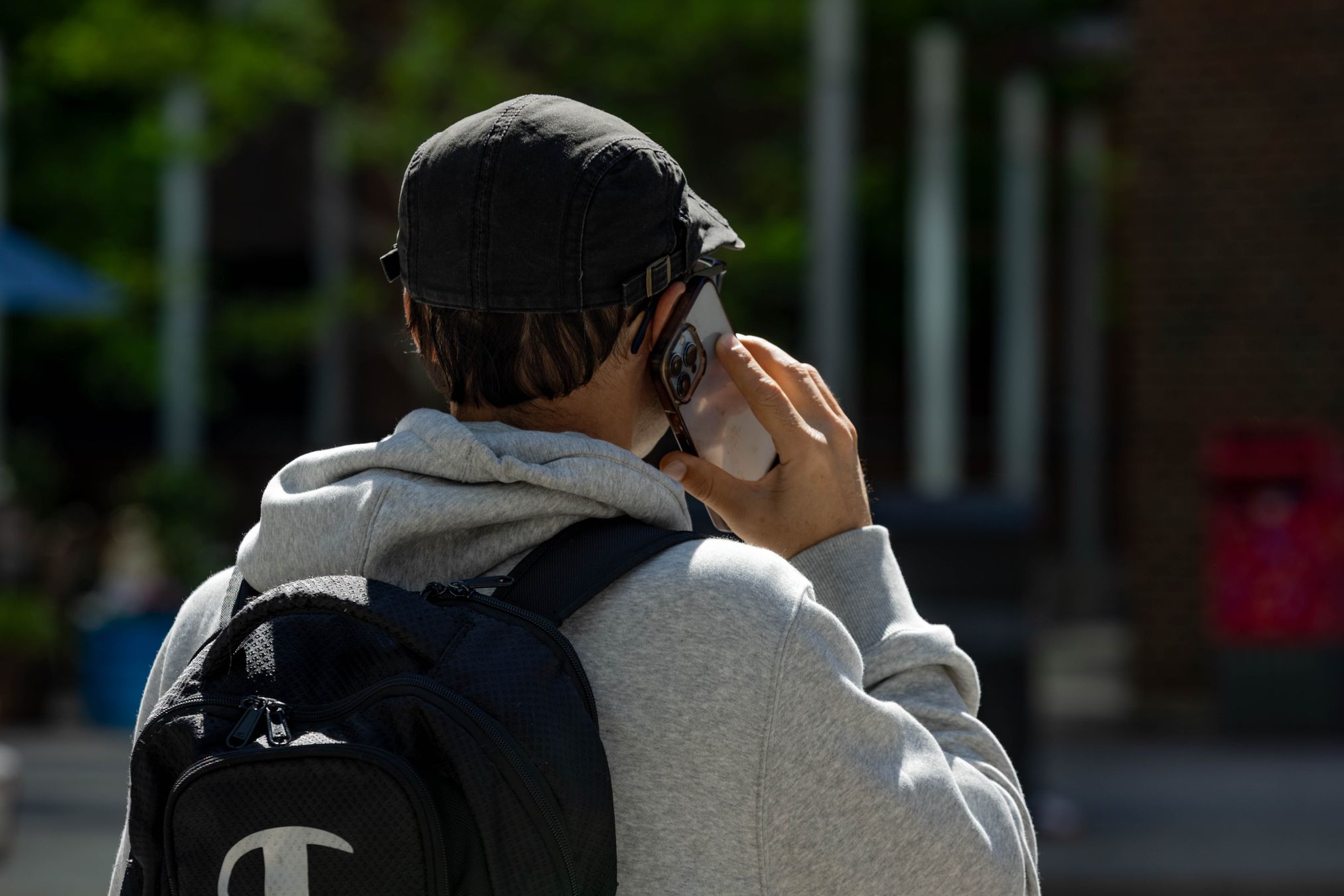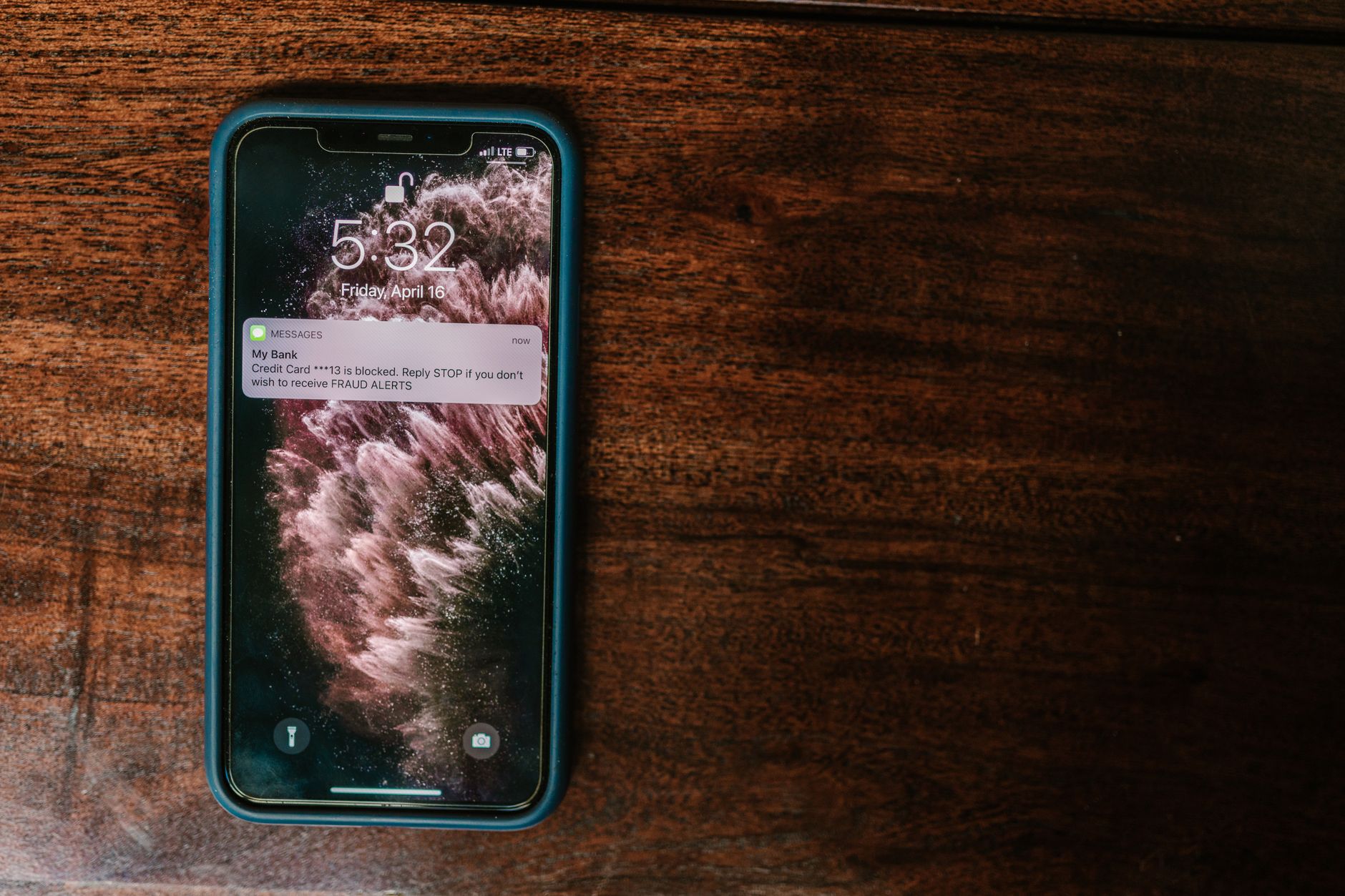
A cloned voice call can sound exactly like a grandchild, child, or sibling. Scammers use AI tools to copy just a few seconds of audio from social media or a previous call. Then they call a family member and fake an emergency. The caller says they need cash for bail, a hospital bill, or a car accident. If you or a parent sent money, you are not alone. This guide explains the immediate recovery steps. This article outlines what to do after an AI scam.
The grandparent scam variant is especially cruel. A senior answers the phone and hears a voice that matches a grandchild. The person says they are in trouble and begs for secrecy. The money request often comes through wire transfer, gift cards, crypto, or peer-to-peer apps. The sense of urgency makes it hard to think. After the money is sent, the victim realizes something was off. That is the moment recovery starts. Understanding the specific fraud pattern matters. This guide on AI phone impersonation explains how these calls are built.
Reporting is not a single call. You need a layered approach. First, stop further transfers. Then contact the bank, payment app, and authorities. Next, secure the senior’s phone and online accounts. The goal is not just refunds. It is to stop the scammers from calling back with a new story. This reporting guide covers the exact agencies and evidence you need.
Voice cloning scams are growing because the tools are getting more convincing. McAfee’s 2023 survey found that 70 percent of adults were not confident they could recognize a cloned voice. One in four respondents had already experienced an AI voice scam. Those numbers mean the threat is not theoretical. This article gives a step-by-step recovery plan and includes tools to protect seniors from repeat targeting.
What You’ll Need
- Bank fraud department contact
- FTC report confirmation
- Family code word
- Identity protection service
- Call blocker or spam filter
- Credit report access
How Do You Best AI Voice Cloning Scam Recovery?
- Stop Additional Transfers and Freeze Affected Accounts
The first action is to call the bank, credit union, or payment app that moved the money. Tell the fraud department you believe the transfer was part of a voice cloning scam. Ask for a fraud hold on the recipient account and any linked cards. If you used a wire transfer, request a recall immediately. If you sent money through Zelle, Venmo, Cash App, or PayPal, report the transaction as fraud in the app. Time matters. Many banks have a 24-hour window to recall or flag domestic wires. For international wires, the window may be shorter or nonexistent.
Do not wait for the bank to call you back. Follow up with a written dispute or a secure message. Include the transaction date, amount, recipient name, and any reference numbers. The bank may need a police report number, but you can add that later. Keep a log of every call. Write down the representative’s name, employee ID, and what they promised. This record helps if the bank initially rejects your claim. This recovery guide explains how to strengthen a bank dispute after an AI scam.
If the senior shared online banking credentials, change passwords immediately. Do this from a different device in case the phone has spyware. Turn on two-step verification if available. Scammers often follow a successful voice scam with a second attempt using stolen login details. Freezing the accounts blocks that. Some banks allow you to place a temporary lock on debit cards and online transfers. Use that feature while you sort out the fraud.
Do not close accounts unless your bank advises it. Closing accounts can erase transaction history you need for reports. Instead, request a full transaction record for the past 90 days. This document will help law enforcement and your recovery specialist. If you used a credit card, ask for a chargeback under fraud or unauthorized transaction rules. Mention that the cardholder was deceived by an AI voice call. Be concise and factual.
For crypto payments, contact the exchange or wallet provider immediately. If you sent through Coinbase, Binance US, Kraken, or another platform, open a support ticket and flag the receiving address. Blockchain recovery is difficult but not always impossible. Still, the faster the exchange can flag the wallet, the better. This guide covers immediate steps for AI scams including crypto paths.

- Report the Scam to Financial Institutions and Payment Platforms
Your bank has a specific fraud department. Call the number on the back of your card or on a paper statement. Do not call a number from a text, email, or caller ID. Fraudsters sometimes send fake bank alerts after a scam. Tell the agent you are a victim of a voice cloning grandparent scam. Ask them to open a fraud investigation and provide a case number. If the transfer was an authorized push payment, the bank may still try a recall if you act fast. The case number is essential for every later step.
Payment platforms like Zelle, Venmo, Cash App, and PayPal have fraud reporting tools inside the app. Use the transaction details to report the payment as fraud. Be clear that the payment was made because of a cloned voice emergency story. Some apps have dedicated fraud hotlines or chat support. Keep screenshots of your report and any reference number. If the app asks for additional verification, respond within the stated deadline. Delays often result in a closed case.
Credit card charges are often the easiest to reverse. Under the Fair Credit Billing Act, you can dispute charges for goods or services not delivered or if you were deceived. Call the card issuer and ask for a chargeback. Use the term unauthorized or fraudulent. Explain that the voice call impersonated a family member to extract payment. The card issuer may ask for a police report or FTC reference number. This reporting guide details how to collect and submit that evidence.
If a wire transfer went through a money transmitter like Western Union, MoneyGram, or Ria, call their fraud hotline immediately. Ask for a transfer recall or hold. These companies have limited windows, often measured in hours for cash pickup. If the cash has already been picked up, recovery is unlikely. Still, you should report the incident so the receiving location can flag surveillance footage and help law enforcement.
- File Official Reports with the FTC, FBI, and Local Police
The Federal Trade Commission is the primary U.S. agency for consumer fraud. Go to FTC Report Fraud and choose the imposter scam category. Describe how the caller used a cloned voice to pose as a grandchild or family member. Include the amount lost, date, payment method, and any phone numbers involved. The FTC does not investigate individual cases directly, but your report creates an official record. Banks and credit card companies often require this record before they process a fraud claim.
The FBI’s Internet Crime Complaint Center, IC3, accepts reports of online fraud including voice cloning cases that involved internet or phone networks. Go to ic3.gov and file a complaint. Include the email address, phone number, and any crypto wallet address if used. The FBI uses aggregated IC3 data to build cases against repeat offenders. Your single report may connect to a larger pattern. This reporting guide explains what details matter most to federal agencies.
Call the local police department where the victim lives or where the money was sent. Grandparent scams are theft by deception, and many police departments will take a report. Ask for a case number and a copy of the report. Do not let the dispatcher brush it off as a civil matter. Voice cloning scams are criminal fraud. A police report helps with bank disputes and may be required by some identity protection services.
FTC data shows imposter scams cost Americans $2.7 billion in 2023. Voice cloning makes these imposter calls much more convincing. Reporting your case helps agencies track the new threat. Even if the police cannot arrest the scammer, the report adds to local and federal data. That data can lead to future enforcement and warning systems.
- Contact the Real Family Member and Set a Safe Code Word
Right after the scam, call the real grandchild or relative on a phone number you already have saved. Do not use the number that called you during the scam. That number may be spoofed. Tell them what happened and ask if they are safe. This step matters for two reasons. First, it confirms the emergency was fake. Second, it starts the emotional recovery for the victim, who may feel embarrassed and scared.
Use a family code word or passphrase going forward. Create a short question that only real family members can answer. It could be a nickname, a pet name, or a specific memory. Never share it over text or email. If someone calls with an emergency claiming to be family, ask for the code word. If they cannot answer or get angry, hang up and call the person on the saved number. That one habit blocks most repeat voice cloning attempts.
Consider setting up a video call verification rule for any money request above a certain amount. Tell your family that no emergency request will be honored by voice alone. You will always call back or video call first. Scammers hate video calls because they cannot easily fake live video with AI. Still, voice cloning means a voice can be copied. Video is a stronger check.
This is also the time to warn other family members. The scammer may have a list of relatives from social media or a contact list stolen in a data breach. Send a family group message that a cloned voice scam targeted your household. Ask everyone to use the code word and to report any suspicious calls. This guide helps victims process the fear and shame after an AI voice scam.
- Use Identity Protection and Credit Monitoring Tools
After a voice scam, assume the scammer has some personal information about the senior. They may have the grandchild’s voice sample, the senior’s phone number, and possibly their address from public records or data broker sites. Sign up for an identity protection service. Options include McAfee, Aura, LifeLock, and IdentityForce. These services monitor credit reports, dark web data, and account takeovers. They also offer recovery specialists if new fraud appears. This guide compares the best identity protection after an AI scam.
Place a fraud alert with one of the three major credit bureaus. The alert is free and lasts one year. It tells lenders to verify identity before opening new credit. You only need to contact one bureau. That bureau will notify the other two. If you have a police report, you can request an extended fraud alert for seven years. A credit freeze is even stronger. It blocks new credit accounts entirely until you lift the freeze.
OpenAI’s usage policies explicitly prohibit using voice or audio tools for fraud or impersonation. Scammers are violating those rules when they clone a grandchild’s voice. This does not guarantee a refund, but it documents that the technology provider did not authorize the scam. You can mention it in your reports if you want to show that the call used AI audio from a major provider or a similar open source tool.
McAfee’s 2023 survey found that 70 percent of adults were not confident they could recognize a cloned voice. One in four adults had already experienced an AI voice scam. Those numbers mean the senior is likely to be targeted again. Identity monitoring reduces the damage if the scammer tries to open accounts or use stolen credentials. It will not stop the calls, but it can catch new account fraud early.

- Push for a Full Refund Through Your Payment Method
Once you have your fraud reports, go back to the bank or payment platform with the reference numbers. Ask for a formal investigation and a written decision. If the transfer was a wire, ask if a recall was attempted and what the receiving bank said. If the transfer was a payment app, ask about their fraud protection program. Some apps have a reimbursement policy for impostor scams, but they may require a police report.
Credit card chargebacks are your strongest tool. File a dispute in writing within 60 days of the statement date. Mention that the charge was the result of fraudulent misrepresentation. The card issuer must investigate under federal law. If they deny the chargeback, appeal and include the FTC report number and police report. Be persistent. Many victims give up after one rejection, but appeals can reverse the decision.
If a bank refuses to investigate or denies your claim unfairly, file a complaint with the Consumer Financial Protection Bureau. Go to consumerfinance.gov and submit a complaint about the bank or payment provider. The CFPB forwards the complaint to the company and asks for a response. Many banks take CFPB complaints more seriously because they track complaint volume. This can lead to a second review of your case. This recovery guide explains bank dispute escalation strategies.
For crypto, there is no centralized fraud department. Still, you can report the wallet address to the exchange, the FBI IC3, and a blockchain analytics company. Some exchanges freeze accounts tied to reported scam addresses. Recovery is hard but not impossible, especially if the scammer has not moved the funds. Keep all transaction hashes and wallet addresses in a single document. This helps if law enforcement traces the funds.
- Protect the Senior from Repeat Targeting with Device and Call Controls
Scammers often call the same victim again with a new story. They may claim to be a lawyer, a police officer, or the grandchild calling back to ask for more money. Set up call controls on the senior’s phone. On iPhone, enable Silence Unknown Callers. On Android, use the built-in spam protection and block unknown numbers. For landlines, ask the phone carrier about robocall blocking and caller ID services. Many carriers offer free spam filters.
Consider a call blocker device or a smartphone app that screens calls before they ring. Some devices require callers to press a key or state their name. That small step blocks many AI robocalls. Also add the bank’s fraud line and a trusted family member to the senior’s speed dial. The senior should know to hang up and call that number directly if any caller asks for money.
Give the senior a script to follow. The script says: I do not send money based on a phone call. I will call you back on the number I have saved. Then hang up. Repeat this every week until it becomes automatic. Scammers rely on urgency and emotional panic. A short script slows down the decision. This article explains how AI phone impersonation works and how to stop it.
Connect with AARP’s Fraud Watch Network at AARP Fraud Watch Network. The helpline offers free support for seniors and family members. You can report the fraud and get guidance from trained fraud specialists. They also provide community alerts about new voice cloning tactics. Pair that with a family code word and call controls, and the senior is much less likely to fall for a repeat attempt.
Finally, schedule a weekly or monthly check-in call with the senior. Ask if they have received any suspicious calls or messages. Check for new apps, password reset notifications, or odd transactions. Early detection is the best defense. Recovery from a voice cloning scam is not just about getting money back. It is about making the family safer for the next call.

Red Flags & Warnings
- 🚨 Do not pay anyone who says they can recover your money for an upfront fee. Many recovery scammers target voice scam victims again.
- 🚨 Never give a verification code to someone who calls you, even if the voice sounds like a family member.
- 🚨 Do not delete text messages, voicemails, or call logs from the scam. These are evidence for the bank and police.
- 🚨 Be skeptical of caller ID. Scammers can spoof any number, including a local police department or your grandchild’s number.
- 🚨 Never trust a voice alone for an emergency money request. Always call back on a saved number or ask a secret question.
- 🚨 Do not ignore follow-up calls from an unknown number after the scam. Repeat targeting is common, and seniors need calls blocked.
Frequently Asked Questions
Can I get my money back after a voice cloning scam?
It depends on payment method and speed. Wire transfers are hardest after 24 hours. Payment apps and credit cards may allow disputes. File reports and ask for a recall immediately. Bank reimbursement is not guaranteed but possible with evidence.
How do I report a grandparent voice scam?
File with the FTC at reportfraud.ftc.gov, the FBI IC3 if online, and your local police. Also report to the payment platform and the senior’s bank. Keep the FTC report number for refund requests.
What should a senior do right after sending money?
First, call the bank or payment app fraud line. Second, report to the FTC. Third, change passwords and freeze credit. Fourth, contact the real grandchild on a known number. Speed matters more than embarrassment.
How do scammers clone a voice with only a few seconds?
Scammers use AI voice cloning tools that need short audio samples. They often take audio from social media videos, voicemail greetings, or previous scam calls. The tools create new sentences in that voice. OpenAI and similar providers prohibit fraud but scammers ignore those rules.
Should I use a family code word?
Yes. Create a phrase or question that only your family knows. If a caller cannot answer, hang up and call the person on a saved number. This is one of the strongest defenses against repeat voice scam attempts.
Are seniors targeted more than other groups?
Yes. The grandparent scam variant specifically targets seniors because they have savings and may be less familiar with AI voice cloning. McAfee research found 70 percent of adults are not confident recognizing a cloned voice. Seniors can use call blocking and identity monitoring to reduce risk.
What Should You Remember?
- Act immediately after any voice scam transfer. Call your bank and ask for a fraud hold or recall.
- File reports with the FTC, FBI IC3, and local police to create a paper trail for refunds.
- Never trust voice alone for emergency money requests. Set a family code word and verify on a saved number.
- Freeze credit and use identity monitoring after a scam to block repeat targeting and new account fraud.
- Document everything including call logs, messages, and transaction IDs. Evidence strengthens bank disputes.
- Guard seniors with call blocking, spam filters, and regular fraud education. AARP and FTC guides help.
This article is for general information only and does not constitute legal, financial, or mental-health advice. Scam tactics evolve quickly. Always report fraud to official authorities such as the FTC, FBI IC3, and your bank, and consult a qualified professional for legal or recovery decisions.