AI scams have evolved far beyond obvious phishing emails. A voice clone can call your family while sounding like you. A deepfake can show your face in a video you never made. A chatbot can build a romance or investment story over weeks, extracting your date of birth, Social Security number, and account details along the way. The money you lost is bad enough, but the hidden risk is what happens next. Your identity data may now be circulating. That is why identity protection has to move fast, and why free tools beat paid subscriptions for most victims. An AI scam is rarely a single theft. It is a doorway to future account openings and takeovers.
If you realize you were scammed, your first job is not to compare products. It is to stop further damage. Start with the immediate action list in I was scammed by AI, what to do. Contact your bank, freeze affected cards, and save every message or receipt. Then come back here. This comparison assumes those first steps are underway. It ranks the next identity protection moves by cost, effort, and the type of fraud each one actually stops. Some tools block new credit. Others stop account takeovers. Others only send you a warning after something has already gone wrong.
I looked at four protections as if I were cleaning up my own identity after an AI scam: credit freezes, fraud alerts, identity monitoring, and password or passkey changes. Some are free. Some cost money every month. Some block fraud before it happens. Others tell you after the fact. I also factored in the emotional weight of doing everything yourself after a scam. You may not have the energy for three phone calls. That matters when choosing between a freeze and a paid monitoring plan. The best choice is not always the one with the most features.
A quick word on reporting. You do not need a police report to start protecting your identity, but you may need one later to remove fraudulent accounts or extend certain alerts. File a report with the FTC and your local police. The process is explained in how to report an AI scam. Then move to the comparison below. The verdict is simple: freeze first, reset passwords and passkeys second, place a fraud alert third, and treat paid monitoring as a convenience, not a shield. Voice cloning and deepfake victims should also read voice cloning scam recovery to see what makes their case different.
How Do the Top Options Compare?
| Method | Best For | Cost | Speed | Limitation |
|---|---|---|---|---|
| Credit Freeze | Blocking new credit accounts | $0 by federal law | 15-30 minutes per bureau | Does not stop existing account takeovers |
| Fraud Alert | Extra checks on new credit | $0 | 5 minutes via one bureau | Lasts 1 year unless extended |
| Identity Monitoring | Watching for leaked data and credit changes | $0 to $30+ per month | Varies | Alerts but does not prevent fraud |
| Password/Passkey Reset | Locking out account takeovers | $0 with built-in tools | 1-3 hours | Must be done per account |
Verdict: The most effective and affordable lockdown is to freeze credit first, reset passwords and enable passkeys second, then place a fraud alert. Paid identity monitoring costs $9 to $30 per month and does not block fraud. It can reduce mental load, but it should never replace freezes.
1. Credit Freeze: Best for Stopping New Credit Accounts

A credit freeze blocks lenders from pulling your credit report. That makes it much harder for someone to open a credit card, loan, or phone plan in your name. After an AI scam, this should be your first move. It is free by federal law, and you must set it up separately with Equifax, Experian, and TransUnion.
Start at the FTC’s credit freeze page. Each bureau has an online system that usually takes 15 to 30 minutes total if you already have your identification ready. You will create a PIN or password for each freeze. Store those somewhere safe. You will need them to lift the freeze later.
A freeze does not block existing account logins. If a scammer already changed your bank password, a credit freeze will not help there. That is why you still need the password reset step below. But it is the strongest free tool against new account fraud. It also does not affect your credit score.
If you are still disputing unauthorized charges, keep your freeze active while you work through how to get money back after an AI scam. Some creditors ask for a police report or FTC report, and the freeze shows you took immediate protective action.
Key strengths:
- ✅ Free at all three major bureaus by federal law
- ✅ Blocks most new credit applications in your name
- ✅ Does not affect credit score
- ✅ Can be lifted temporarily when you need credit
- ❌ Requires separate setup at Equifax, Experian, and TransUnion
- ❌ Does not stop existing account takeover
- ❌ You must keep the PIN or password secure
Who it’s for: Anyone who suspects their Social Security number or personal data was exposed in an AI scam.
2. Fraud Alert: Best for Adding Friction to New Credit
A fraud alert is not as strong as a credit freeze, but it is faster. You contact one credit bureau, and that bureau must notify the other two. Lenders then see a note asking them to verify your identity before issuing credit. It is free and lasts one year.
After an AI phone scam or impersonation, an initial fraud alert makes sense if you cannot do all three freezes right away. It also gives you a free copy of your credit report from each bureau. You can check for accounts you did not open. The CFPB outlines how to place and remove these alerts.
The downside is that not every lender actually calls you. Some automated systems may proceed if they can verify details another way. A credit freeze physically blocks access to the report in most cases. A fraud alert only asks for extra checks. That makes it a useful backup, not a replacement.
If you lost money to a voice cloning call, review AI phone scam impersonation to understand what information attackers likely captured. Then decide if a seven-year extended fraud alert is worth filing. Extended alerts require a police or FTC identity theft report. They last seven years.
Key strengths:
- ✅ One contact notifies all three bureaus
- ✅ Free and lasts one year, with seven-year extended option
- ✅ Includes a free credit report from each bureau
- ✅ Fast to place online or by phone
- ❌ Weaker than a freeze because lenders may not verify
- ❌ Initial alert expires after one year
- ❌ Extended alert requires an identity theft report
Who it’s for: Victims who need quick, low-effort protection while deciding on full credit freezes.
3. Identity Monitoring Services: Best for Watching What You Cannot See
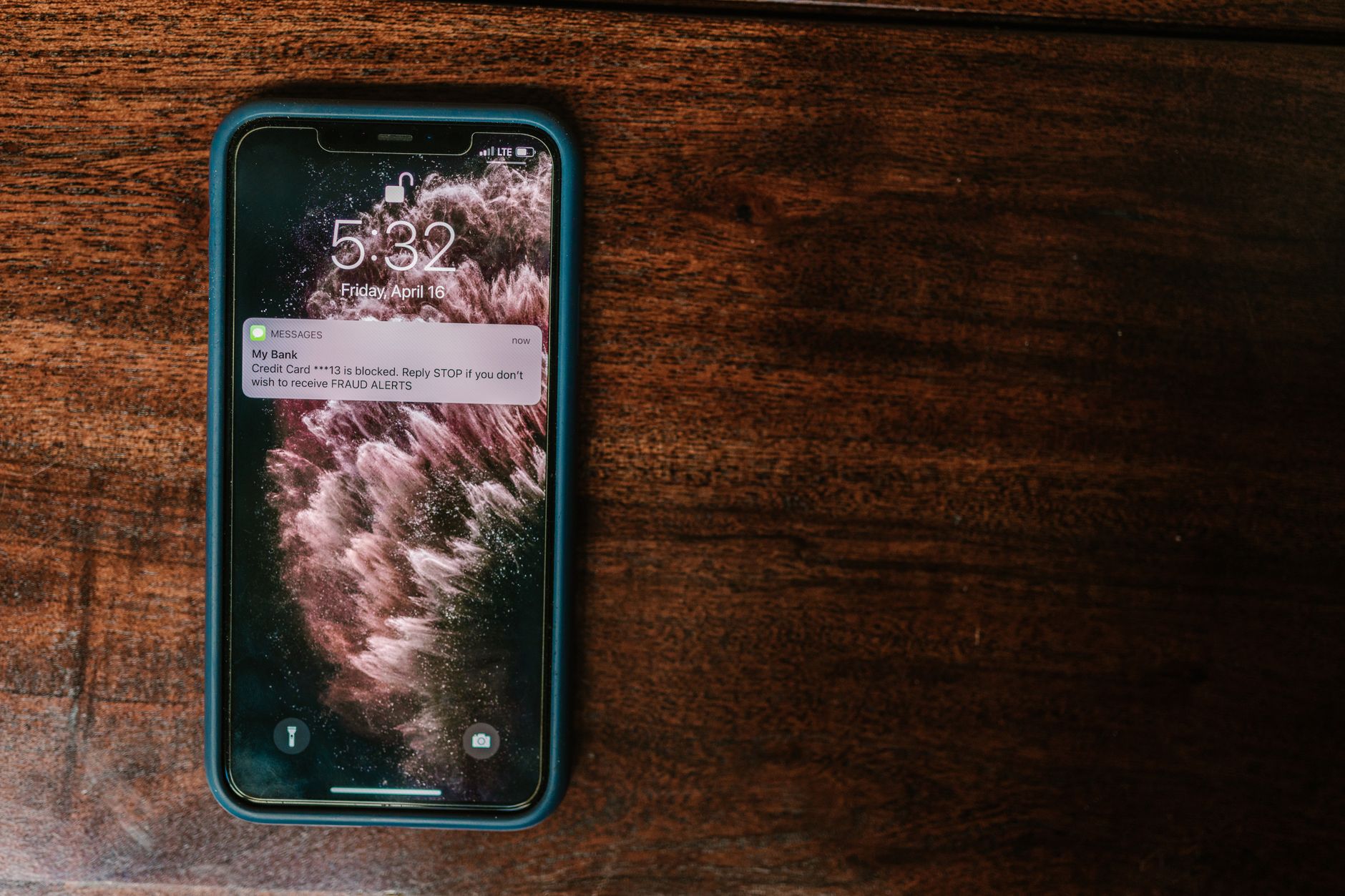
Identity monitoring scans credit files, dark web lists, data breaches, and sometimes public records for your personal information. Services like Aura, LifeLock, and McAfee charge roughly $9 to $30 per month for individual plans. Some banks and insurers offer basic monitoring free. After an AI scam, monitoring can catch changes after the fact, but it cannot prevent identity theft.
McAfee’s research found that 77% of people who heard an AI voice clone lost money. That shows how fast AI-enabled fraud works. Monitoring is a lagging indicator. You get an alert that your email was found in a breach or that a new account appeared. By then, the damage may already be done. That is why I recommend it as a second or third layer, not the first response. See McAfee’s research for more on how voice cloning changes the threat.
Paid plans often bundle insurance, recovery support, and alerts for bank accounts or social media. The insurance can help with some out-of-pocket costs, but it comes with strict limits. Free tools do a lot. The FTC offers guidance, your bank may alert you to suspicious logins, and free credit reports from annualcreditreport.com help you self-monitor.
If you are emotionally drained, paying for monitoring can reduce mental load. That has real value. Read emotional recovery after an AI scam before you buy anything. Often the best use of money is a password manager and a couple of hours locking down accounts, not a monthly monitoring subscription.
Key strengths:
- ✅ Alerts you to new credit inquiries and data breaches
- ✅ May include recovery help or identity theft insurance
- ✅ Reduces manual monitoring burden
- ✅ Basic plans often available free through banks
- ❌ Cannot prevent fraud, only alerts after events
- ❌ Monthly fees add up, often $9 to $30 or more
- ❌ May create false security if you skip freezes and passkeys
Who it’s for: People who want ongoing alerts and do not want to manually review credit reports.
4. Password and Passkey Changes: Best for Locking Down Existing Accounts
If a scammer used an AI voice clone or deepfake to pass verification, they may already be inside your email, bank, or phone account. Change the passwords on those accounts first. Use a unique, long password for each one. A password manager helps because most people cannot remember 20 strong passwords.
Better yet, turn on passkeys where available. Passkeys use your device’s biometrics or PIN and are phishing-resistant. Google, Apple, and Microsoft now support passkeys, and their docs show they are built on public key cryptography. After an AI scam, move your email, bank, phone carrier, and main cloud accounts to passkeys before you change less critical logins.
The order matters. Email first. Someone with email access can reset passwords for almost everything else. Phone carrier second because a SIM swap can bypass SMS-based codes. Then financial accounts. Use app-based authenticators instead of SMS codes when you can. SMS codes are better than nothing, but passkeys and authenticators are stronger.
If a deepfake video was used to impersonate you, read deepfake video scam what to do. You may need to contact the platform where the fake video appeared. But your account security still starts with the same steps: new password, passkey, and logout all other sessions.
Key strengths:
- ✅ Directly stops many account takeover paths
- ✅ Passkeys are phishing-resistant and free
- ✅ Password managers reduce reuse risk
- ✅ Works immediately without waiting on bureaus
- ❌ Must be repeated for every important account
- ❌ Not all sites support passkeys yet
- ❌ Does not stop new credit account fraud
Who it’s for: Anyone whose email, bank, phone, or social accounts may have been accessed or impersonated.
Frequently Asked Questions
What is the first thing I should do after an AI scam?
Freeze your credit at Equifax, Experian, and TransUnion. Then change passwords and enable passkeys on email, bank, phone, and cloud accounts. Contact your bank to report unauthorized activity and save evidence.
Are credit freezes really free?
Yes. Federal law gives you the right to freeze and thaw your credit for free at all three major bureaus. You can place a freeze online or by phone in about 15 to 30 minutes per bureau.
How long does a fraud alert last?
An initial fraud alert lasts one year. An extended fraud alert lasts seven years but requires an identity theft report from the police or FTC.
Do I need identity monitoring if I have a credit freeze?
Not necessarily. A freeze blocks most new credit accounts, which is stronger than monitoring. Monitoring can still alert you to data breaches, existing account changes, or dark web exposure.
Are passkeys safer than passwords after an AI scam?
Yes. Passkeys are phishing-resistant and tied to your device. Even if a scammer has your password, they typically cannot use a passkey without your device and biometric or PIN.
Can I remove a credit freeze when I need credit?
Yes. You can lift a freeze temporarily using the PIN or password from each bureau. Most online systems let you choose a date range for the thaw.
What Should You Remember?
- Freeze credit first at all three bureaus. It is free and stops most new account fraud.
- Change passwords next on email, phone, bank, and cloud accounts. Use unique passwords.
- Enable passkeys where available. They block phishing better than passwords and SMS.
- Place a fraud alert if you cannot freeze all bureaus immediately. It lasts one year.
- Report to the FTC and local police. Reports help with disputes and extended alerts.
- Treat paid monitoring as optional. It alerts after problems instead of preventing them.
- Keep freeze PINs safe. You will need them when applying for credit later.
This article is for general information only and does not constitute legal, financial, or mental-health advice. Scam tactics evolve quickly. Always report fraud to official authorities such as the FTC, FBI IC3, and your bank, and consult a qualified professional for legal or recovery decisions.