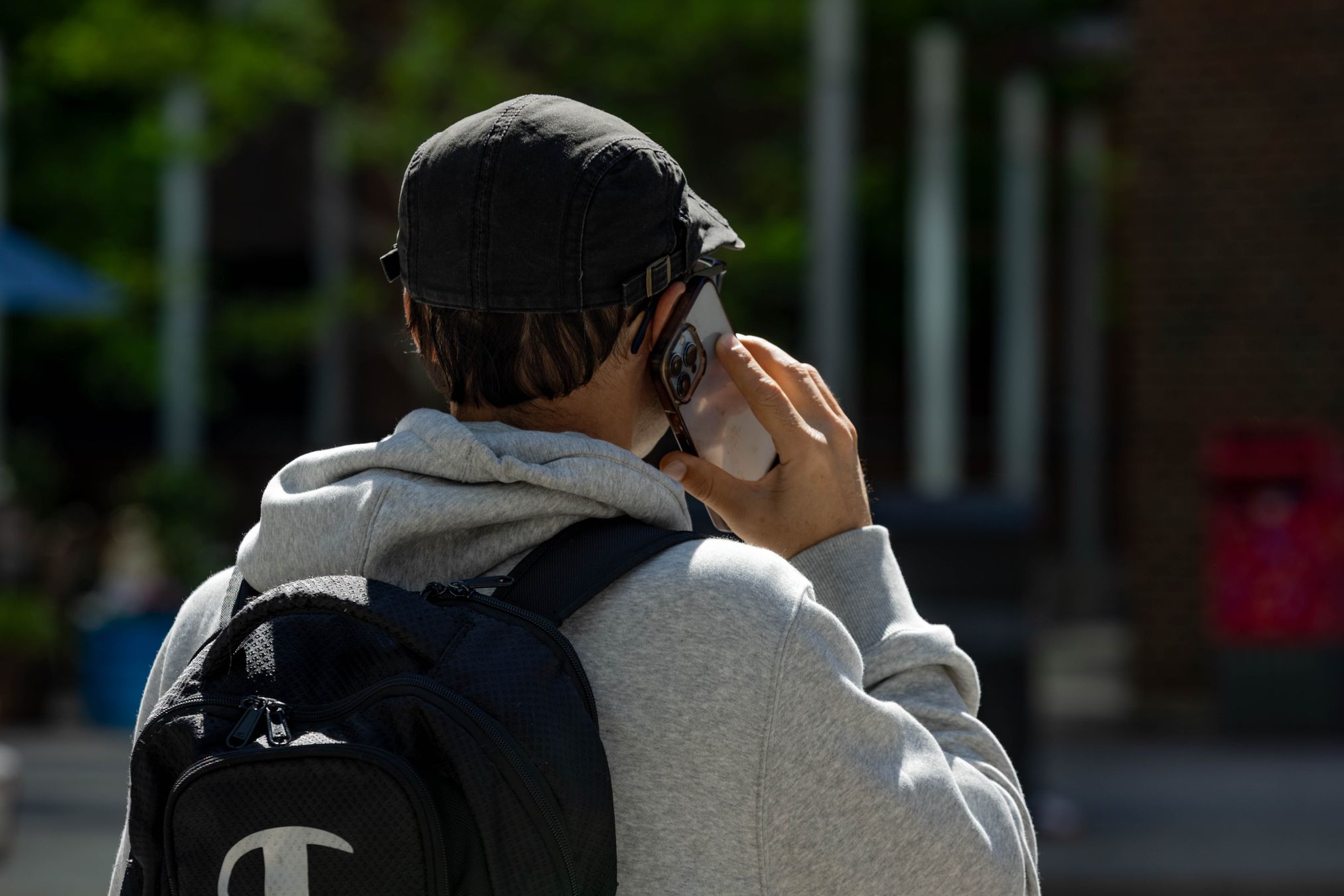
AI phone scam impersonation has become one of the hardest scams to spot because the voice on the line may sound exactly like your son, your bank manager, or a government agent. Scammers use voice cloning software to copy a person’s speech patterns from short audio clips. Then they spoof caller ID so the number looks official. This guide explains how the scam works and how to respond. For a deeper look at the mechanics, see AI phone scam impersonation.
Voice cloning used to require hours of audio. Now a few seconds of clear speech from a voicemail or social media video may be enough. Attackers find samples from your public posts or from voicemail greetings. A cloned voice can imitate tone, accent, and emotional stress. Criminals often pair the fake voice with a fake emergency, like a car accident or an arrest, to pressure you into making a fast payment.
Caller ID spoofing makes the phone display show your bank’s real number or a loved one’s contact. Spoofing services and VoIP apps make this easy and cheap. Because the number looks real, victims let their guard down. If you have any doubt, hang up and call back using a number you look up yourself. This one habit blocks many AI phone scams.
If you already sent money to an AI impersonated voice, act fast. Contact your bank, freeze accounts, preserve evidence, and file reports. This guide walks you through verification, recovery, and emotional support. You are not alone, and quick action improves your odds. Use the steps below as your recovery plan.
What You’ll Need
- A phone with official bank and family contact numbers saved
- A password manager
- An authenticator app
- A secure folder for evidence
- The FTC report form at reportfraud.ftc.gov
How Do You Best AI Phone Scam Impersonation Response and Recovery Plan?
- Recognize the AI phone impersonation scam
AI phone impersonation starts when a scammer obtains a sample of someone’s voice. They may pull audio from a public social media post, a voicemail greeting, or a video. The sample is fed into a voice cloning tool that can create new sentences in the same voice. A McAfee survey found that 1 in 4 adults globally say they have experienced an AI voice scam or know someone who has. The same report found that 77 percent of AI voice scam victims lost money. These numbers show how fast this fraud has grown.
Once the voice clone is ready, the scammer calls with a story designed to trigger panic. They may pose as a grandchild who was in an accident, a bank fraud specialist who needs you to move money, or an official who claims you missed jury duty. The fake voice adds emotional weight because it sounds like someone you trust. The urgency is deliberate. When you are scared, you are less likely to check details.
Caller ID spoofing is the second part of the scam. Scammers use VoIP services to display any number they want, including your bank’s published customer service line or a family member’s mobile number. You cannot rely on the number alone. Even if the number matches your contacts, the person speaking may not be the real owner.
OpenAI’s Voice Engine documentation requires explicit consent from a voice donor and uses audio watermarking. Still, scammers do not need a compliant tool. Open source and gray market cloning tools ignore those rules. The gap between policy and practice means victims must verify calls independently. To understand how voice cloning attacks play out, read voice cloning scam recovery.
- Slow down and verify the caller’s identity
The first rule is to slow down. A real bank will not pressure you to move money in the next ten minutes. A real family member in distress can usually answer a question that only they would know. Say you will call back. Then dial the number on the back of your card, on the official bank website, or from your phone contacts. Do not use the number that the caller gave you and do not tap redial.
If the caller claims to be a family member, use a prearranged safe word or duress phrase. For example, your family can agree that any real emergency call must include a specific word. If you do not have a safe word yet, ask a personal question that a scammer cannot answer. Ask what you ate together last weekend or the name of a childhood pet. Be careful not to reveal the answer in your question.
Some scammers will try to keep you on the line while you call someone else. They may say the bank is already on the other line or that hanging up will cancel a fraud alert. That is a lie. A real fraud department will wait. Hang up anyway. You can always call the official number and explain the situation.
If you cannot reach the person or institution, wait. Do not send money while you are still panicked. Ask a trusted friend or family member to help you think. A second opinion can break the scammer’s control. This pause is the most important step before any transfer.
- Contact your bank or payment platform immediately
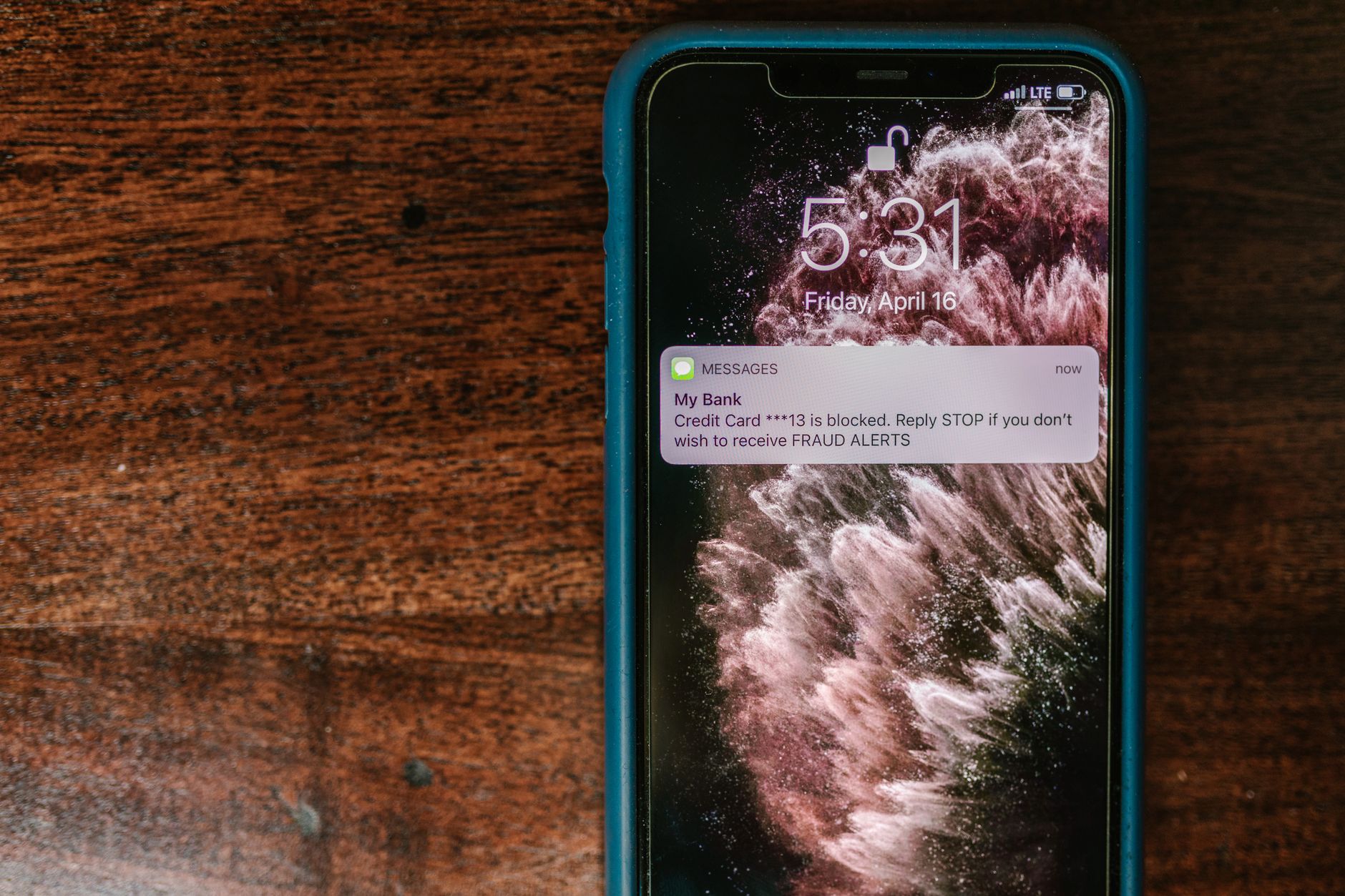
If you have already sent money, time is critical. Call your bank’s fraud department using the number on the back of your card or on the bank’s official website. Tell them you were tricked by an AI voice impersonation scam. Ask them to freeze the account, stop a pending wire, or reverse a recent transfer. Banks may be able to recall a wire if you act within hours.
For payment apps like Zelle, Venmo, or Cash App, open the app and report the transaction as fraud. Each platform has a different process, but they all have support channels. If you used a debit or credit card, the card issuer may file a dispute. Be specific about the date, amount, recipient, and the reason you believed the caller was legitimate.
If you sent cryptocurrency, contact the exchange support team. Crypto transfers are often irreversible once confirmed, but some exchanges freeze accounts if a fraud report arrives quickly. Recovery is not guaranteed. The more evidence you have, the better your chance. Read how to get money back after AI scam for detailed dispute steps.
Write down the name of every person you speak with, the date, and the reference number. This paper trail matters if you later need to escalate to a regulator or law enforcement. Do not delete any transaction messages. Your next step is to report the crime to authorities.
- Report the AI phone scam to authorities and platforms
File a report with the U.S. Federal Trade Commission at reportfraud.ftc.gov. The FTC uses these reports to track scam patterns and support investigations. Include the phone number that called you, the fake story, the amount sent, and any screenshots or voice recordings. The FTC does not recover individual money but the report creates an official record.
Also file a complaint with the FBI Internet Crime Complaint Center at ic3.gov. The FBI tracks cyber-enabled fraud and works with international partners on large voice cloning cases. If the caller impersonated a government official or if the loss was large, the FBI report is especially important.
Notify your local police department. Some officers may not be familiar with AI voice scams, so bring a short explanation. A police report can help with bank disputes and identity theft claims. You can also report to your state attorney general’s office. Many states have consumer protection divisions that accept complaints online.
Report the incident to the platform used for the payment. If you used a bank wire, call the bank’s fraud line again and ask for a case number. If you used a crypto exchange, open a support ticket and attach your evidence. For step by step reporting help, see how to report an AI scam.
- Preserve evidence for recovery and investigations
Evidence is the foundation of any recovery attempt or investigation. Save your phone call logs, screenshots of the caller ID, text messages, and payment confirmations. If the scammer left a voicemail, do not delete it. Voice recordings can be analyzed for clues and may help law enforcement trace the source.
Write down exactly what the caller said, in order. Note the caller’s voice quality, accent, speech pace, background noise, and any hesitation. Scammers often use scripts, and small inconsistencies can help identify the fraud. Also record the time and date of the call, the number displayed, and the name the caller used.
Build a timeline of events. Start with the first contact, then the story the scammer told, then the payment method, then your follow up actions. A clear timeline helps bank fraud teams, police, and regulators understand what happened without getting lost in panic.
Store copies of everything in a secure place, such as a password protected folder. If you need a broader recovery checklist, read I was scammed by AI what to do. The more organized your evidence, the easier it is to prove fraud and request a refund.
- Secure your accounts and identity after the breach
Assume the scammer may have collected more than just money. They may have heard your bank name, address, or even verification codes. Change passwords on your email, bank, phone carrier, and social media accounts. Use a password manager to create unique passwords. 1Password’s family plan covers up to five users and typically costs about $4.99 per month billed annually. That is a small price compared to a second fraud.
Enable two factor authentication on every account that offers it. Use an authenticator app instead of SMS codes when possible. A scammer who tricked you once may try to take over your phone account or email to intercept recovery codes. Contact your mobile carrier and ask about a SIM lock or port out PIN. This stops criminals from moving your number to a new SIM.
Consider placing a fraud alert or credit freeze with the major credit bureaus. A freeze stops new credit accounts from being opened in your name. You can also enroll in an identity monitoring service. Services like Aura advertise credit monitoring, bank account alerts, and identity theft insurance. For more on choosing protection, read best identity protection after AI scam.
Check your bank and credit card statements daily for the next several weeks. Scammers sometimes sell victim details to other fraudsters. If you see a charge you do not recognize, report it immediately. Securing your accounts now reduces the chance of a second attack while you recover.

- Work on emotional recovery and support
AI phone scams cause deep emotional damage. Victims often feel shame, anger, fear, and self blame. That is normal. You were targeted by a sophisticated attack that used the voice of someone you trust. The shame belongs to the scammer, not to you.
Talk to someone you trust about what happened. A spouse, friend, or therapist can help you process the event. Isolation makes the trauma worse. If you feel unable to talk to family, consider a professional counselor or a fraud survivor support group.
Some victims find it helpful to connect with others who have gone through similar scams. The AARP Fraud Watch Network offers support and education, especially for older adults. Community groups and online forums can also validate your experience and share recovery tips. You are not the only person this has happened to.
Financial recovery and emotional healing are connected. You cannot make clear decisions if you are still panicked or ashamed. Give yourself room to rest. For a full guide on emotional recovery, see emotional recovery after AI scam. Taking care of your mental health is a key part of the recovery plan.
- Prevent future AI phone scams with safer habits
Reduce the amount of your voice that is publicly available. Set social media profiles to private and ask family members to do the same. Remove personal voicemail greetings that include your full name and voice. Record a generic greeting or use the automated default instead. The less audio a scammer can find, the harder it is to clone you or a loved one.
Screen unknown callers. Let calls from numbers you do not recognize go to voicemail. A legitimate caller will leave a message. If someone calls with an urgent request, tell them you will call back on an official number. That one habit defeats most caller ID spoofing attacks.
Create a family safe word or duress phrase. Agree that any real emergency call must include that word. Update the safe word regularly and practice it with your family. Also teach older relatives about AI voice scams. Scammers often target grandparents with fake grandchild emergencies.
Set up account alerts for any transaction over a small amount. Use a security key or authenticator app for email and financial accounts. For another example of AI driven fraud, read deepfake video scam what to do. Prevention is not about paranoia. It is about adding small verification steps that make scams easier to spot.

Red Flags & Warnings
- 🚨 Never trust caller ID alone. Scammers can display any number, including your bank’s real phone number.
- 🚨 No real bank, government agency, or family member will demand immediate payment in gift cards, wire transfer, or cryptocurrency. Urgency is a red flag.
- 🚨 Never call back the number that called you. Hang up and dial the number on your card or official website.
- 🚨 Do not provide verification codes, one time passwords, or remote access to your device. Legitimate support will never ask for these.
- 🚨 Be suspicious of anyone who tells you to keep the call secret or to lie to bank staff. That is a control tactic.
- 🚨 If the caller asks you to move money to a ‘safe account’ or a new wallet, stop. That account belongs to the scammer.
Frequently Asked Questions
How do scammers clone a voice for phone scams?
Scammers collect short audio samples from voicemail, social media videos, or live calls. They feed these samples into AI voice cloning software that creates new sentences in the same voice. The cloned audio is then played or generated in real time during a phone call.
Can caller ID be faked to show my bank's number?
Yes. Caller ID spoofing uses VoIP services to display any number the scammer chooses. The number on your screen may match your bank’s official line even though the call is not from the bank.
What should I do if I get an urgent call from a family member asking for money?
Hang up and call that family member back at a number you already have. If they do not answer, use a prearranged safe word or ask a personal question only they would know. Do not send money while the first call is still ongoing.
I already sent money to an AI impersonated voice. Can I get it back?
It depends on the payment method and how fast you act. Contact your bank or payment app immediately and ask for a freeze, recall, or dispute. Some wire transfers and card payments can be reversed, while crypto transfers are often irreversible.
How do I report an AI phone scam?
Report to the FTC at reportfraud.ftc.gov and to the FBI at ic3.gov. Also file a report with your local police and your state attorney general. Keep copies of all evidence and the report numbers.
How can I protect my family from AI voice cloning scams?
Set social media profiles to private, remove personal voicemail greetings, and create a family safe word. Teach family members to hang up and call back on official numbers. Enable two factor authentication on financial accounts.
What Should You Remember?
- Verify by callback: never trust the number on caller ID. Dial the official number yourself.
- Use a safe word: prearrange a phrase or question only real family members can answer.
- Act fast after payment: contact your bank or payment app immediately to freeze or recall transfers.
- Report everywhere: file reports with the FTC, FBI IC3, local police, and the payment platform.
- Preserve evidence: save call logs, voicemails, texts, and payment confirmations.
- Secure accounts: change passwords, enable two factor authentication, and place a credit freeze.
- Seek support: emotional recovery is part of scam recovery. Talk to a counselor or survivor group.
This article is for general information only and does not constitute legal, financial, or mental-health advice. Scam tactics evolve quickly. Always report fraud to official authorities such as the FTC, FBI IC3, and your bank, and consult a qualified professional for legal or recovery decisions.