Losing money to a fake AI trading platform or a pig butchering scheme feels disorienting. The dashboard showed profits, the customer support person sounded knowledgeable, and the crypto transfers seemed routine until withdrawal requests were frozen or ignored. If that happened, start with what to do after an AI scam. It covers the first 24 hours and gives you a simple checklist when your mind is still spinning.
AI investment fraud often combines two lies. Scammers claim an artificial intelligence model can execute high-frequency trades or arbitrage with almost no risk. They show screenshots and small early payouts as proof. In a pig butchering scheme, a fake relationship builds trust before the investment ask arrives. The money is usually moved through exchanges or wallet addresses within minutes, so time matters.
Real recovery begins with documentation and official reports. You should file a complaint with the FBI IC3, notify the exchange, and preserve transaction hashes. Do not pay a private recovery firm before you understand the process. Our guide on how to report an AI scam explains the reporting path in detail and which agencies take what action.
There are realistic ways to trace crypto and sometimes recover funds, but the odds depend on speed and cooperation. This article walks through each step in order. It also links to emotional recovery after an AI scam because the psychological toll is real and needs its own plan.
What You’ll Need
- Blockchain explorer such as Etherscan or BscScan
- FBI IC3 form access
- Exchange support portal login
- Evidence folder with screenshots, transaction hashes, and chat exports
- FTC Report Fraud account
How Do You Best AI Investment Scam Recovery Steps After Losing Money?
- Stop Contact and Freeze Every Account You Can
Immediately stop replying to the scammer. Do not argue, do not try to trick them, and do not let them help you recover. Scammers often pivot to a recovery role or ask for more money to release withdrawals. Change passwords on your email, bank, exchange, and any linked accounts. Enable two-factor authentication. This stops further account compromise. For voice or impersonation follow-ups, see AI phone scam impersonation.
Contact your bank and credit card issuer. Let them know the payments were fraudulent. If you used a bank wire, ACH, or debit card, a freeze or recall request might still stop the transfer if it is pending. Banks can flag future charges and open a fraud case. Ask for a written confirmation of every report.
If you gave remote access or installed software, disconnect the device from the internet. Reinstall the operating system or run a security scan with a second device. The scammer may still have access to your email or cloud storage. This step protects the evidence you will need later.
Be honest about what happened when you call your bank. Many victims downplay the loss out of shame. That delays a fraud claim. Do not make threats to the bank; ask what options exist for unauthorized or fraudulent transfers. One useful baseline comes from OpenAI’s usage policies, which prohibit using AI models to facilitate financial fraud. GPT-4o has a 128,000 token context window, a technical capacity for language, not a trading account. No legitimate AI trading platform can guarantee returns.

- Preserve Every Screenshot, Chat, and Transaction ID
Screenshots lose value if you cannot prove when they were taken. Save the original files, do not only copy-paste text. Record URLs, wallet addresses, usernames, phone numbers, and email headers. Make a timeline with dates and amounts. This timeline becomes the backbone of every report.
Export chat history from WhatsApp, Telegram, WeChat, or any other app. If you used a dating site, save the profile before it disappears. Include voice notes or video calls if you have them. For AI voice or deepfake interactions, read voice cloning scam recovery and deepfake video scam what to do. Scammers delete accounts fast, so do this now.
Store transaction IDs and hashes. Each crypto transaction has a unique hash. If you sent funds through an exchange, download the withdrawal record. If you used a payment processor, save the reference number. These identifiers let investigators and exchanges search internal systems.
A common lie is that the platform used an automated n8n workflow or a proprietary AI engine. The free tier of n8n supports five active workflows and 2,500 monthly executions. A trading dashboard that claims unlimited API calls on a free n8n plan is not running on the tool’s actual documentation. Note that inconsistency in your evidence file. It shows intent and may help law enforcement build a case.
- File an Official Report with the FBI IC3
Go to FBI IC3. The Internet Crime Complaint Center accepts reports from anyone, not just U.S. citizens, if a U.S. entity or victim is involved. Fill out the form with your timeline, transaction hashes, wallet addresses, and exchanges used. The IC3 aggregates data and can refer cases to field offices.
Do not wait until you have a complete picture. File the report as soon as you have basic details. You can update later. Your report creates a record that law enforcement and financial institutions may reference. The IC3 recovery asset team sometimes works with exchanges to freeze funds.
Use the financial loss section carefully. Include the amount you sent, not paper profits the fake dashboard showed. Paper profits are not recoverable. Include the fiat value at the time of each transfer. If you used multiple currencies, list them separately.
The IC3 will not give you a named agent or guarantee a response. That is normal. Save the confirmation number. You will need it when contacting exchanges or banks. For more on the reporting path, see how to report an AI scam.
Mention if the scam involved a romance or pig butchering scheme. The FBI specifically tracks that pattern. If someone used fake AI video or cloned voice, note that too. The details help connect cases across jurisdictions.
- Notify the Exchange or Payment Provider in Writing
Contact the exchange where you bought crypto or where you sent funds. Submit a support ticket and write fraud or unauthorized transfer in the subject. Include the transaction hash, receiving wallet address, date, and amount. Some exchanges have a real-time abuse form for law enforcement. If your funds are still in the exchange’s wallet, they may freeze the account.
Use the exchange’s official website only. Do not google for support numbers. Scammers create fake support pages that charge a fee for fake help. If you sent money through Coinbase, Binance, Kraken, or another platform, log in through your own app. For more about recovery options, see how to get money back after AI scam.
If you used a wire transfer or bank payment, ask your bank to send a recall request to the beneficiary bank. This works best within 24 to 48 hours. After that, cooperation becomes less likely without law enforcement action.
Keep records of every support ticket. Note the ticket number, agent name if given, and date. Follow up every few days. Be polite but persistent. Some exchanges have a threshold for losses and require an IC3 number before reviewing. That is why step 3 matters.
- Trace the Cryptocurrency On-Chain
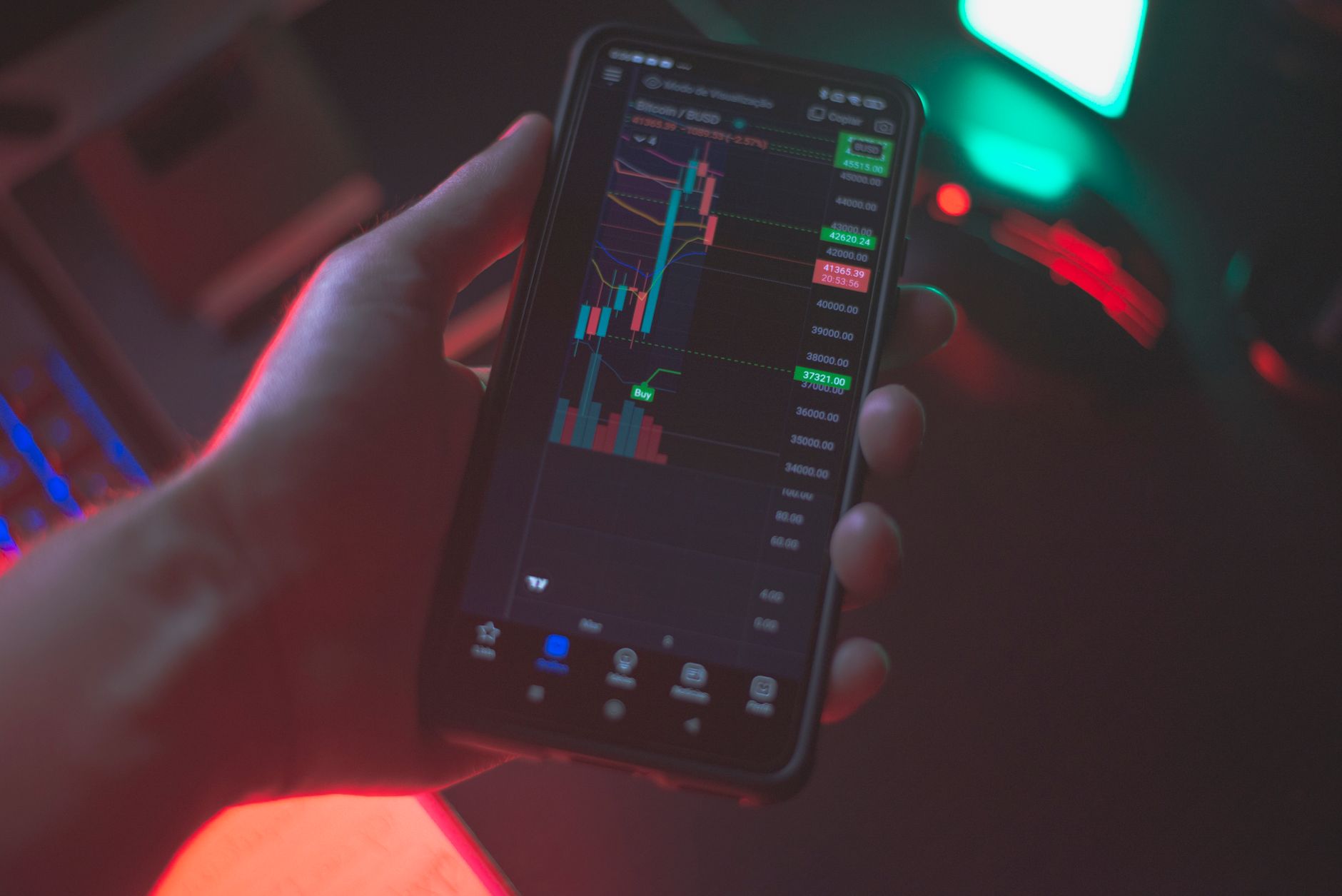
Every transaction is recorded on a public ledger. Use a block explorer like Etherscan, Blockchain.com, or BscScan. Search the receiving address or transaction hash. You can see which addresses received funds next. This does not reveal the wallet owner, but it shows the flow.
If you sent USDT or USDC, those tokens can be frozen by the issuer. Circle and Tether have blacklist mechanisms. Report the address to the token issuer after you file an IC3 report. Provide the IC3 number and your evidence. Issuers cannot reverse a transaction but can freeze a wallet in some fraud cases.
Do not chase funds by yourself. Do not use random crypto recovery firms that promise to decrypt or reclaim wallets. That is almost always a second scam. For realistic tracing, you can study public data from Chainalysis and blockchain explorers. Chainalysis publishes fraud research and works with law enforcement, but private clients typically pay tens of thousands of dollars per year. You do not need that. Your goal is to identify the next hop, not to recover funds alone.
Write down every address you find. Give the full chain to the IC3, the exchange, and the token issuer. This increases the chance of a freeze if funds reach a regulated exchange. Some exchanges provide a law enforcement liaison. Ask if they accept a subpoena from your case. Without a court order, they cannot tell you the owner of a wallet. But they can flag the address internally if they see it as high risk.

- File Reports with the FTC and Other Authorities
In the United States, file a report with the Federal Trade Commission at reportfraud.ftc.gov. The FTC collects complaints and shares them with state and federal partners. Your report helps agencies see the scale of AI investment fraud. It also gives you a document to show creditors or banks.
File with your state Attorney General and state securities regulator. They may open an investigation if the scammer is based in your state or if a local bank was used. Include the same evidence packet you prepared in step 2.
If the scam involved identity theft, file at IdentityTheft.gov. If your Social Security number or passport was shared, add a fraud alert with one of the three credit bureaus. For identity-specific steps, see best identity protection after an AI scam.
If you are outside the U.S., report to your national cybercrime agency and financial ombudsman. Europol, Action Fraud in the UK, and the Canadian Anti-Fraud Centre also accept reports. Keep all reference numbers in one folder.
Some victims report to the CFPB if a U.S. bank refused to investigate or misled them. The Consumer Financial Protection Bureau handles bank complaints. A complaint can push a bank to look again at a disputed transfer. This does not guarantee money back, but it creates accountability.
- Explore Realistic Recovery Options and Avoid Recovery Scams
Real recovery happens through bank recalls, chargebacks, exchange freezes, law enforcement seizures, and civil lawsuits. It does not happen through a private hacker who asks for an upfront fee. If someone promises a guaranteed return for a wallet recovery, it is a recovery scam.
If you used a credit card or PayPal, open a dispute. If you used a bank wire, ask for a recall. If you sent crypto, the only realistic path is a freeze by an exchange or token issuer, which requires an official report and speed. Read how to get money back after AI scam for the full list of options.
Consider a civil demand or lawsuit only if you know the scammer’s identity or if a regulated exchange has the funds. Most victims never identify the scammer. A lawyer can send a subpoena, but that costs money. Do not pay more than the possible recovery.
If you are contacted by someone claiming to be from a law firm or a government agency that can recover funds for a fee, verify the identity independently. Call the agency or bar association. Fake recovery agents often use stolen IC3 or FTC language to sound official.
Keep expectations realistic. Regulators warn that crypto recovery rates are low. Some recoveries occur when funds are still in a centralized wallet. The faster you report, the better the odds.
- Protect Your Identity and Take Care of Your Mental Health
The scam may have exposed your passport, driver’s license, bank details, or selfie. Freeze your credit with Equifax, Experian, and TransUnion. Monitor bank and crypto exchange accounts for new signs of fraud. For a step-by-step plan, see best identity protection after an AI scam.
If the scam included romance, you likely feel betrayal and shame. That is a normal response. Do not isolate. Talk to a counselor or a support group. Our guide on emotional recovery after an AI scam offers practical help.
Beware of follow-up scams. The original scammer may reappear as a recovery company or a government investigator. Do not send money, gift cards, or crypto to anyone who says they can get your funds back for a fee.
Rebuild your security. Change passwords, use a password manager, enable authenticator apps, and never share 2FA codes. If you gave remote access, reinstall your operating system. This reduces the risk of continued access.
The recovery path is not just about money. It includes restoring your identity, your confidence, and your ability to trust again. Take breaks from the fraud details. Keep a simple folder of evidence so you can act without reliving every message.
Red Flags & Warnings
- 🚨 Never pay an upfront fee to a crypto recovery service. Most are scams that target victims a second time.
- 🚨 Never share your seed phrase, private keys, or 2FA backup codes with anyone, even a claimed exchange employee.
- 🚨 Do not let a caller or chat agent take remote control of your device, especially if they claim to help recover funds.
- 🚨 Be suspicious of anyone who says your funds are frozen and you must send gas fees or taxes to release them.
- 🚨 Do not trust a new contact who claims to be from law enforcement, a law firm, or a recovery agency without verifying them independently.
- 🚨 Avoid deleting any scam messages or wallet addresses in shame. The evidence is your best recovery tool.
Frequently Asked Questions
Can I get my money back from a fake AI trading platform?
Partial recovery is possible but not guaranteed. Your best chance is a freeze by an exchange or token issuer while the funds are still in their control. Bank recalls, chargebacks, and law enforcement seizures are the other realistic paths.
What should I do first after losing money?
Stop all contact with the scammer and secure your accounts. Change passwords, enable two-factor authentication, and notify your bank or crypto exchange immediately. Then preserve every screenshot, chat, transaction hash, and wallet address before any account disappears.
Will the FBI IC3 actually help?
The FBI IC3 takes reports and aggregates fraud data. It can refer cases to field offices and sometimes works with exchanges to freeze funds. You may not receive a personal agent, but the report creates an official record that banks and exchanges often request.
Can tracing crypto recover my funds?
Tracing shows where your crypto moved on the public ledger. It does not identify the wallet owner or recover funds by itself. However, sharing the transaction trail with an exchange or token issuer can lead to a freeze if the funds reach a regulated wallet.
Are there legitimate crypto recovery companies?
Very few are legitimate. Most ask for upfront fees and never recover anything. Legitimate recovery usually happens through a bank, exchange, law enforcement, or a licensed attorney who takes a case on merit, not a guaranteed success fee.
How do I know if an AI trading platform is fake?
If it guarantees returns, shows fake profit dashboards, uses pressure tactics, or asks for additional deposits to release withdrawals, treat it as fake. No real AI model has a trading account or can promise profit. OpenAI usage policies and model documentation make that clear.
What Should You Remember?
- Stop contact with the scammer and secure your accounts immediately.
- Document everything including transaction hashes, wallet addresses, and chat exports.
- File an IC3 report before contacting exchanges, because many require the reference number.
- Notify the exchange quickly to request a freeze if the funds are still in their control.
- Trace on-chain flows with free block explorers, then share that trail with authorities.
- Avoid recovery scams that demand upfront fees or claim guaranteed refunds.
- Protect your identity and emotional health after the fraud.
This article is for general information only and does not constitute legal, financial, or mental-health advice. Scam tactics evolve quickly. Always report fraud to official authorities such as the FTC, FBI IC3, and your bank, and consult a qualified professional for legal or recovery decisions.